Introduction
In any emergency scenario, the ability to analyze a casualty's responsiveness can suggest the difference in between life and fatality. Recognizing how to perform this important evaluation is essential for anyone associated with Basic Life cpr certification classes online Support (BLS) training. This write-up delves into The Value of Checking Responsiveness: A BLS Essential, discovering its importance within the more comprehensive context of fundamental vs sophisticated life support practices, hospital codes and protocols, and much more.

Table of Contents
Understanding Responsiveness in BLS- What is Responsiveness? Why is it Vital in Emergencies?
- Overview of Basic Life Support Transitioning to Advanced Life Support
- Step-by-Step Guide Common Mistakes to Avoid
- Signs of No Breathing What to Do Next
- Understanding AEDs When to Use an AED
- Benefits of BLS Training How to Obtain Certified
- The Relevance of Teamwork Recommended Compression Rates
- Techniques for Staying Calm The Role of Calmness in Effective Response
Understanding Responsiveness in BLS
What is Responsiveness?
Responsiveness describes an individual's capability to respond to stimulations, such as verbal commands or physical touch. In a online cpr refresher certification medical emergency situation, evaluating responsiveness helps determine the urgency and type of care required.
Why is it Critical in Emergencies?
Checking responsiveness enables responders to promptly examine a sufferer's condition, assisting subsequent activities such as calling for assistance or doing CPR. Fundamentally, it sets the stage for all additional interventions.
Basic vs Advanced Life Support
Overview of Basic Life Support
Basic Life Assistance (BLS) incorporates vital strategies targeted at maintaining life till sophisticated clinical help gets here. It includes checking responsiveness, doing CPR, and using an Automated External Defibrillator (AED).
Transitioning to Advanced Life Support
Advanced Life Support (ALS) includes a lot more advanced clinical treatments that educated professionals carry out, such as carrying out medicines and progressed respiratory tract management techniques.
How to Inspect Responsiveness
Step-by-Step Guide
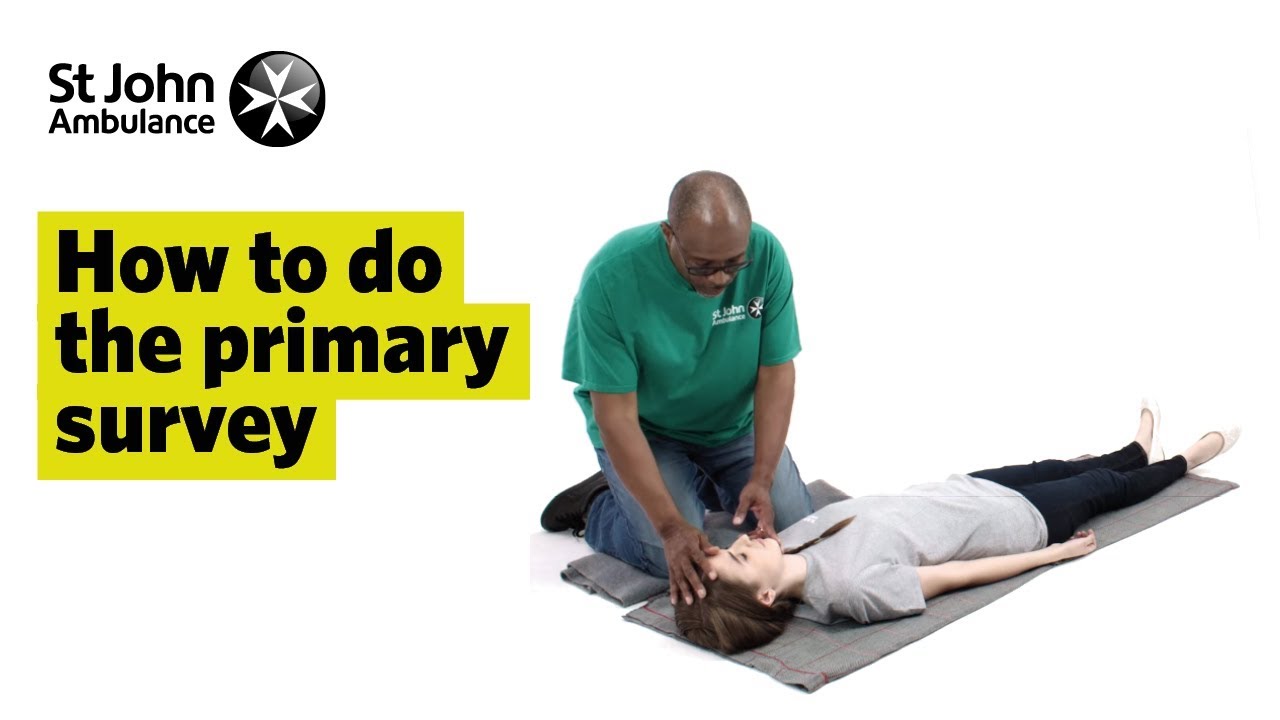
Approach the private calmly. Gently tap their shoulder and talk loudly but clearly. Observe their action; if there's no response, wage more assessments.Common Errors to Avoid
- Failing to check breathing after evaluating responsiveness. Not requiring emergency services immediately if there is no response.
Identifying No Breathing
Signs of No Breathing
In some instances, an individual may be unresponsive yet still breathing inadequately or otherwise whatsoever. Seek:
- Absence of chest movement. No distinct breaths.
What to Do Next
If you recognize no breathing:
Call emergency situation solutions immediately. Begin CPR without delay.Public Defibrillator Usage
Understanding AEDs
An Automated External Defibrillator (AED) is a portable tool designed to assess heart rhythms and provide an electrical shock when necessary.
When to Make use of an AED
Use an AED when:
- The person is less competent and not breathing. Medical professionals get on their method however instant activity is required.
BLS Certification Importance
Benefits of BLS Training
Obtaining BLS qualification outfits individuals with essential skills required throughout emergency situations, boosting their self-confidence in reacting effectively.
How to Get Certified
Certification programs are available through different organizations such as the American Heart Association (AHA) or Red Cross-- choose one that fits your schedule!
Taking Activates Compressions
The Value of Teamwork
When several responders are present, taking turns on compressions aids avoid tiredness and makes certain high-grade breast compressions throughout the resuscitation process.
Recommended Compression Rates
The excellent compression rate during mouth-to-mouth resuscitation is 100-120 compressions per min; guaranteeing this uniformity can considerably improve survival chances.
Maintaining Calmness During Emergencies
Techniques for Staying Calm
Staying calmness during a crisis is critical-- not simply for your very own performance but additionally for those around you that might be searching for management throughout chaos.
Take deep breaths prior to coming close to the situation. Focus on jobs rather than feelings; this will help you remain centered.The Function of Calmness in Effective Response
Your disposition can dramatically affect just how others react-- keeping calmness encourages team effort and instills confidence among bystanders assisting with care.

Conclusion
In recap, recognizing exactly how and why we check responsiveness develops the foundation of reliable BLS training and interventions during emergencies. Whether you're browsing basic vs advanced life assistance situations or using public defibrillators efficiently, every second counts when lives are at stake-- making understanding regarding these processes invaluable.
FAQs
Q1: What should I do if somebody is unresponsive?
A1: Examine their responsiveness by carefully tapping them and yelling their name; if they are less competent, call emergency services immediately.
Q2: Exactly how does checking responsiveness differ from other assessments?
A2: Checking responsiveness particularly evaluates a person's recognition degree while various other evaluations might entail inspecting important indicators or breathing patterns.
Q3: Is BLS accreditation required for everyone?
A3: While not necessary for everyone, getting BLS accreditation can empower you with critical skills that could save lives in cpr certification course near me emergencies.
Q4: Can I make use of an AED on a person who shows signs of breathing?
A4: No, just utilize an AED if the person is unresponsive and not breathing generally; make sure appropriate analysis first!
Q5: How often need to I exercise my mouth-to-mouth resuscitation skills?
Q6: Does keeping calmness actually influence emergency situation outcomes?
A6: Definitely! Composed -responders often tend to act extra efficiently which positively influences both group characteristics and person outcomes.
By prioritizing the value of checking responsiveness within Basic Life Support training frameworks, we accept our responsibility as potential lifesavers-- equipping ourselves with expertise that can change minutes of crisis into chances for hope and recovery!